GPS Upgrade
By Jeff Gilmour, 12 December 2025
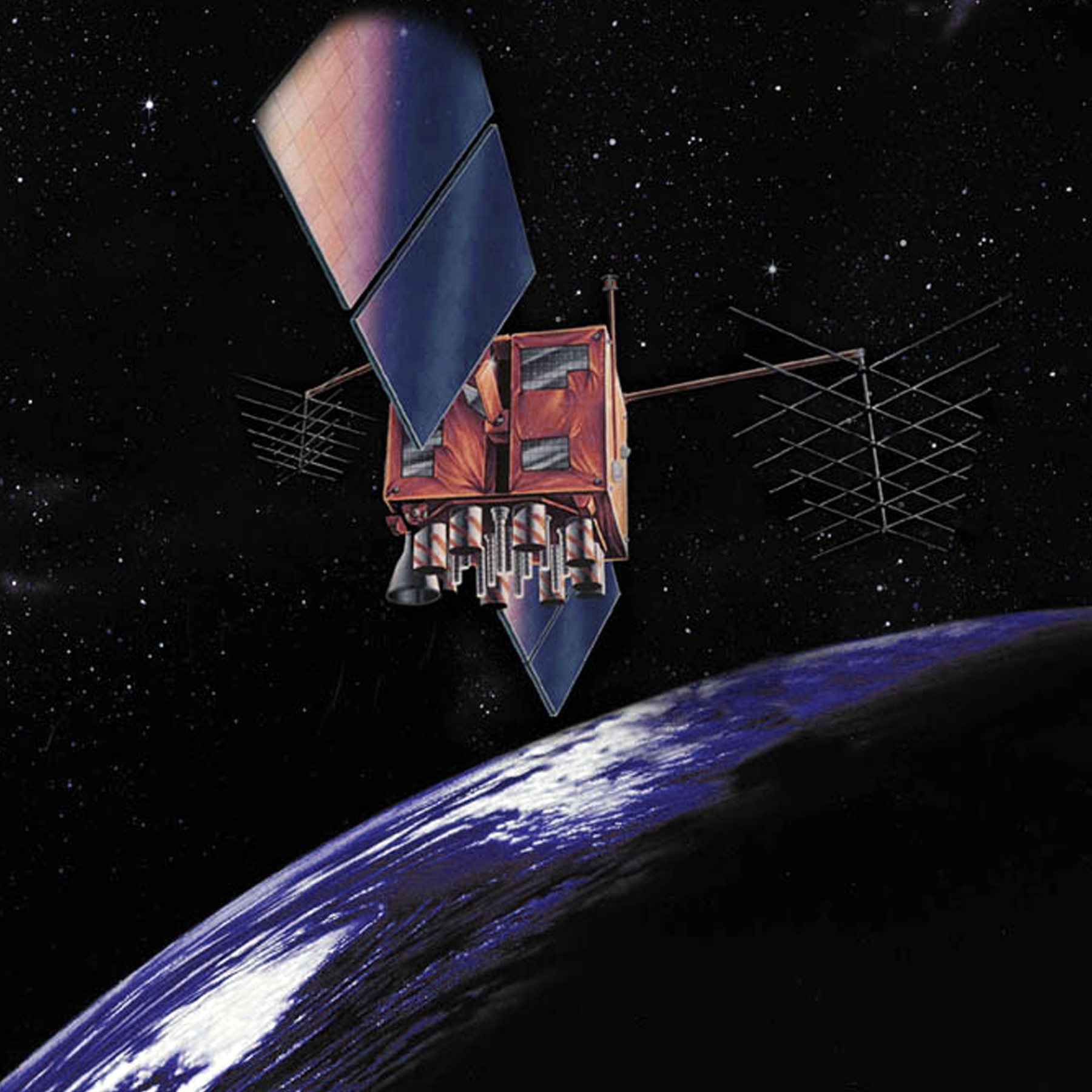
In a recent article in The Economist the author points out that the American GPS system needs an upgrade.
Currently 32 satellites orbit 20,200 km above the earth carrying radio transmitters that cover the earth. This technology has become vital for the military as well as civilians. Receivers are built into everything from cruise missiles to artillery shells to help them hit the appropriate target.
Other systems such as the European 'Galileo' satellite constellation and the Chinese 'BeiDov' system are now considered to be more accurate than GPS.
The US Space Force, which runs GPS, is developing and planning for a new upgrade called the Navigation Technology Satellite – 3(NTS-3). Launched in August 2025, it is the first GPS test satellite to be sent into space since 1977. The results will inprove the design of the next generation of GPS satellites, known as GPS 111F, which are due to be going up in space in 2027.
One of Space Force’s goals will be to ensure that GPS can be relied upon in warfare. Because the signals are so weak by the time they reach the ground, opponents can drown them out by broadcasting more powerful signals. As shown in the Ukraine war, GPS in its current form is unreliable. For this reason N–3 is equipped with a new transmitter designed to concentrate the military signals, known as M-code, to a narrow 'spot beam.' This should make it harder to jam the signals.
Post continues on the Broadsides Forum
Trending now:
- GPS Upgrade
- The Waiting War: Canada’s Broken Promise to Veterans
- The New US National Security Strategy
- USN Constellation-class Hits a Reef
- Dollars and Sense: Giving the Canadian Coast Guard a Larger National Security Role
- International Drone SITREP
- The Cost of Success: Rebuilding the Coast Guard’s Arctic Capabilities
- Report on Panel Discussion “Alliances and Partnerships in Shifting Geopolitical Landscapes”
- The Canadian Coast Guard and National Security
- The Promised Government Support for DND – Where Do We Begin?
- Under ICE Pact, the United States announces it will build their Arctic Security Cutters (ASC) first - October 9, 2025
- The Critical Influence on Future Canadian Military Planning
- Will the New DIA Optimize Defence Procurement?
- CNR sponsors: visit page
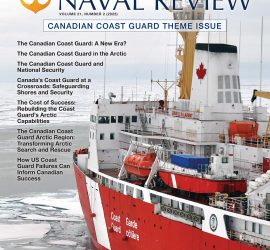
Latest Issue: Canadian Naval Review Vol. 21 No. 2 - Canadian Coast Guard Theme Issue
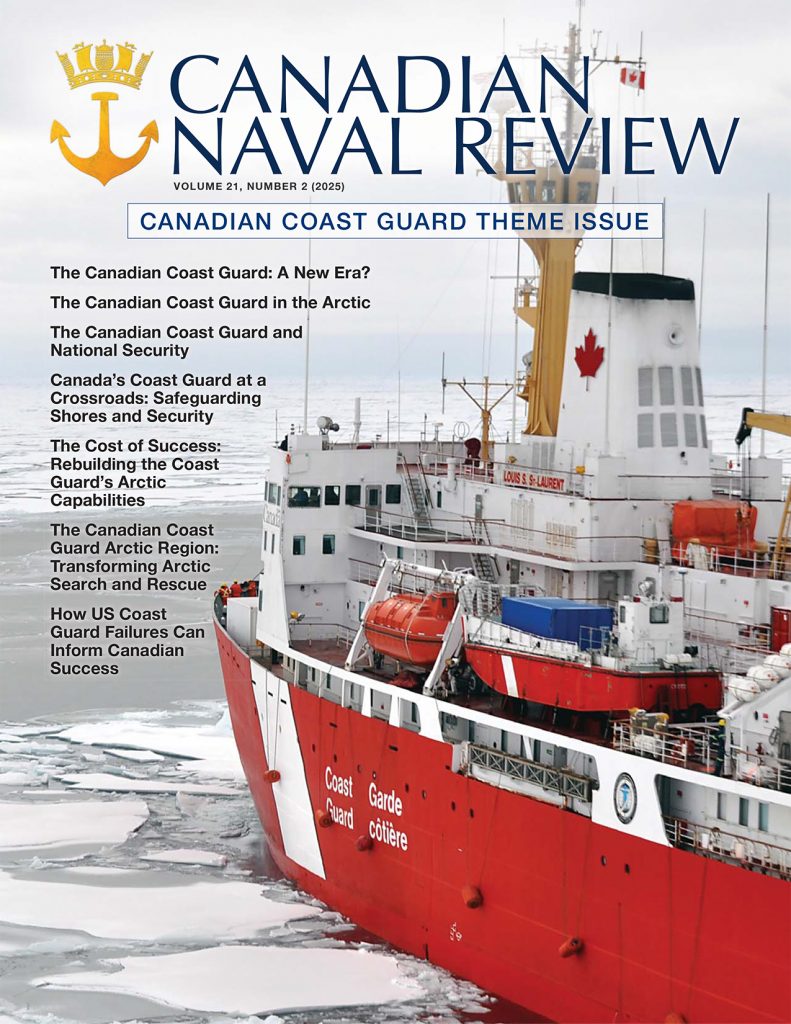
We have a special treat in store for CNR fans. Given the exciting changes that have occurred recently, including a change in its institutional home, we’ve produced a theme issue focused on the Canadian Coast Guard. This theme issue is sponsored by the Canadian Maritime Security Network.
This issue of CNR contains a variety of articles, by high-level and well-known authors, examining different elements of the Canadian Coast Guard (CCG). We start with quick overviews of the traditional roles the CCG has performed, particularly in the Arctic, and the new era for the CCG – in terms of new ships, new threats, new opportunities and new environment.
Our first article, “The Canadian Coast Guard and National Security,” looks at how the CCG can contribute to the national security environment after its move to DND. The second article, “Canada’s Coast Guard at a Crossroads: Safeguarding Shores and Security,” examines how the CCG move to DND can leverage “the CCG’s assets and capabilities to close gaps in the country’s common operating picture and deliver a more holistic national defence.”
The third article, “The Cost of Success: Rebuilding the Coast Guard’s Arctic Capabilities,” outlines that, despite the welcome addition of new ships for the CCG, the Canadian government is perpetuating the boom-and-bust cycle of shipbuilding. As well, the government is ensuring that the CCG will be ironing out wrinkles for years because of (a) the problems inherent in the first-of-class builds, (b) the different maintenance, crewing and training needs for the different ships, and (c) the fact that, once again, the fleet will have to be replaced wholesale in 30(ish) years. The fourth article, “The Canadian Coast Guard Arctic Region: Transforming Arctic Search and Rescue,” takes a close look at how the CCG has worked to improve its relationships in the North, and in this way to improve its response, and the response of local communities, to search-and-rescue operations. The final article, “How US Coast Guard Failures can Inform Canadian Success,” examines the recent USCG experience recapitalizing its fleet. In particular the article focuses on the need for strategic planning and getting the support of politicians, and examines hard lessons the USCG has learned about recruitment – with the hope that the CCG can learn from these lessons.
We don’t have our usual Making Waves commentaries, or “A View from the West” or “Warship Developments” but we do have “Dollars and Sense.” In this issue, “Dollars and Sense” looks at how the move of the CCG to DND affects defence spending, and can contribute to enhanced maritime domain awareness.
In addition to all this great information, we have our usual amazing photos – this time with a focus on CCG red and white ships!
Assuming that the Canada Post strike ends in the near future, the fall issue will be in your mailbox soon. E-subscribers will receive copies soon too. See the Table of Contents here.
CNR resources

- Previous Issues
- CNR Archives (2005-2025)
- Subject Index for CNR Articles
- Broadsides Forum - Join the Discussion
- Submissions to Canadian Naval Review
- Subscriptions - unlock access to all CNR materials
- Sponsor page
- Book Reviews
- Free CNR articles and PDF downloads
- Follow us on Bluesky and LinkedIn
- Donate to CNR
- Special offer
Read more: CNR Archives (60+ magazines in PDF) and Subject Index (600+ articles)
Looking for Books about Maritime Matters?
Over the last 20 years, Canadian Naval Review has published over 180 book reviews. These books cover a variety of topics but they all relate to maritime matters, history, or security and defence at sea. This is an amazing resource. Go through the list of reviews, pick out a few books that look interesting, read the reviews, and then order the books from your nearest bookstore or from the publisher. See the list of book reviews at https://www.navalreview.ca/book-reviews/